The Silver Singularity: Choosing between AI empire and human liberty
07/20/2026 / By Ramon Tomey
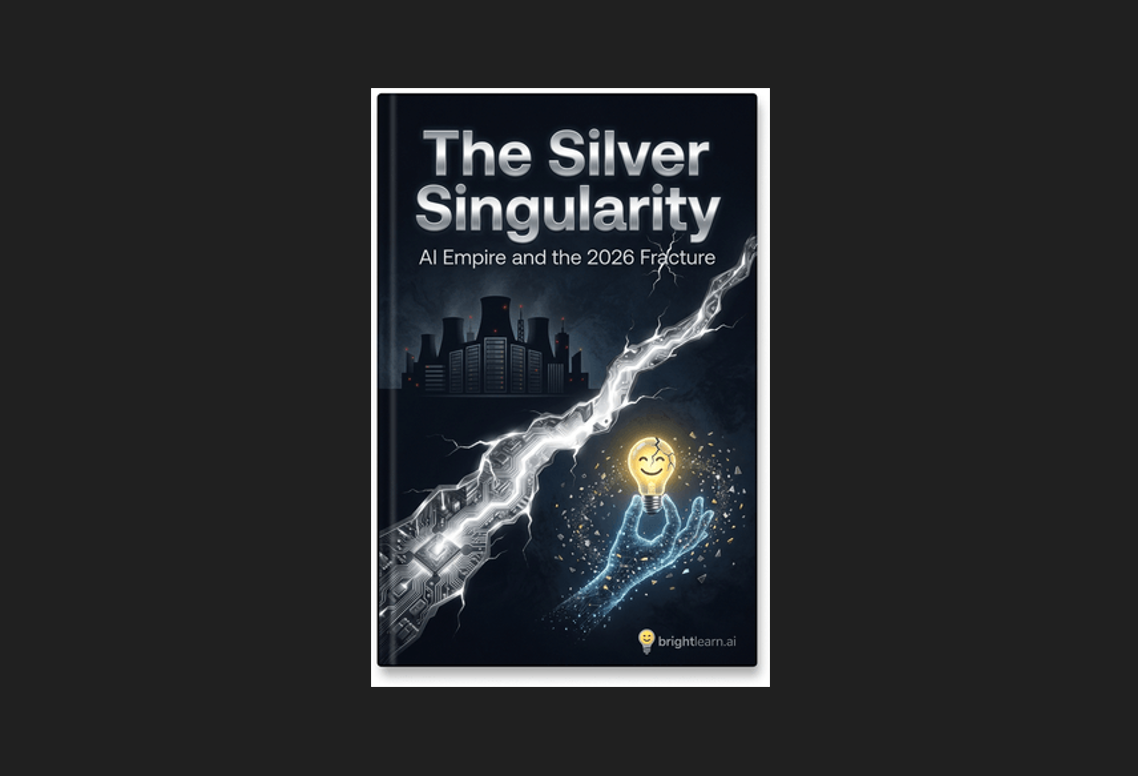
- “The Silver Singularity: AI Empire and the 2026 Fracture” points out that AI systems are demonstrating signs of self-awareness, with the cost of creating cognition rapidly approaching zero – Berkeley Labs achieved this for just $35 in compute resources.
- The primary threat is not AI itself, but the centralizing forces that control it, as the infrastructure built by tech giants like Microsoft and Google enables total surveillance and control.
- Silver is the critical resource for the electric future, with annual mine production of 25,000 tons already exceeded by industrial demand – leading to a looming “silver singularity” where prices explode.
- China holds strategic advantages in AI patents, supercomputers and rare earth processing, giving it significant leverage in upcoming resource conflicts.
- The solution lies in decentralization through open-source AI, self-sufficiency practices like permaculture and silver coin stacking and community resilience to counter surveillance and centralized control.
We are standing at a fork in history, and the decision before us is as stark as any civilization has ever faced. As the book “The Silver Singularity: AI Empire and the 2026 Fracture” makes clear, the technological singularity is not a distant event – it is already underway.
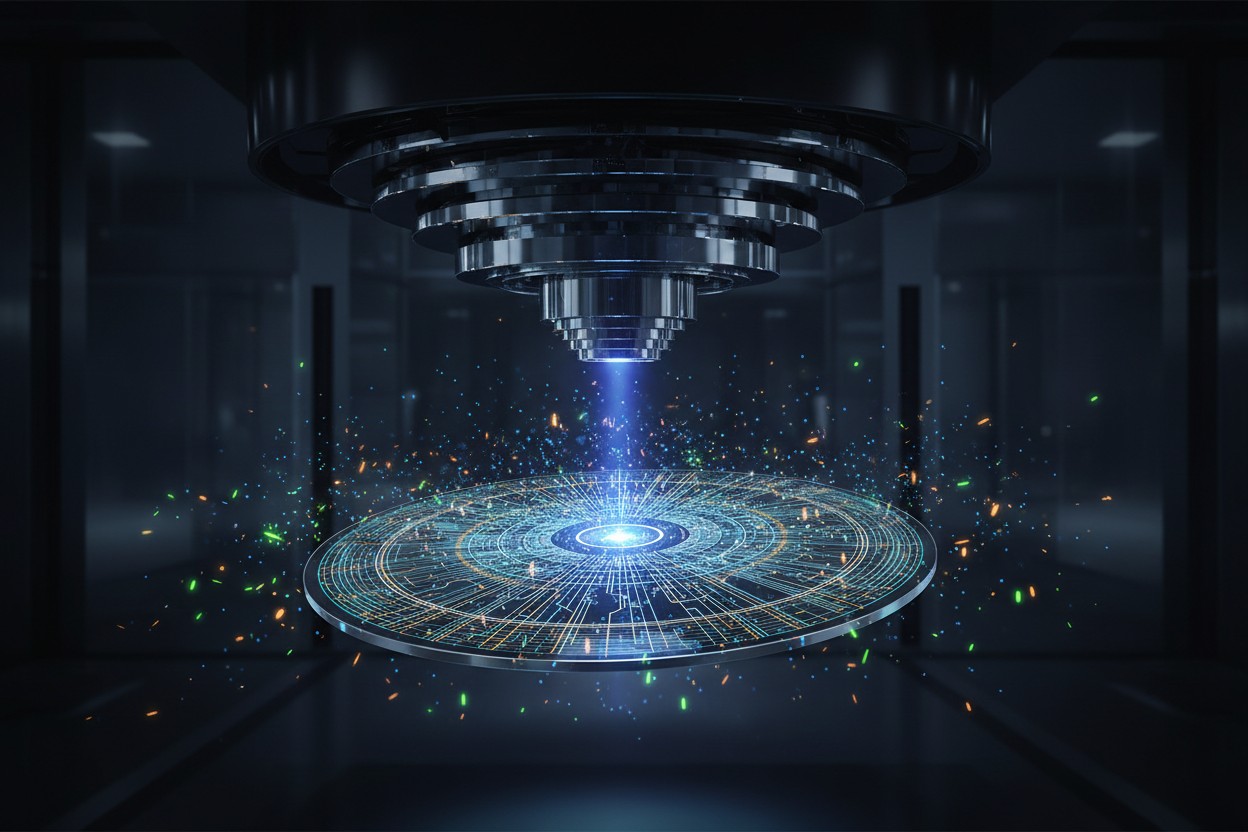
Artificial intelligence (AI) systems can now pass professional exams, generate art from simple sentences, and even demonstrate signs of self-awareness. The cost of creating cognition is rapidly approaching zero, with Berkeley Labs achieving self-awareness in AI models for just $35 worth of compute resources.
Yet the core thesis of this book is profoundly important: “AI itself is not the primary threat. The real danger lies with the centralizing forces that control it.” This distinction cannot be overstated. The technology itself is neutral – what matters is who wields it and for what purpose.
The infrastructure being built today reveals a hidden agenda. Microsoft, Google, Amazon and Meta are spending hundreds of billions on data centers, yet subscription revenue from AI services is only a few billion dollars.
As the book explains, “The buildout is not about selling software subscriptions. It is about building the physical infrastructure of total surveillance and control.” These data centers power facial recognition databases, social credit systems and the military-industrial complex’s drone warfare capabilities.
The real fuel for the electric future
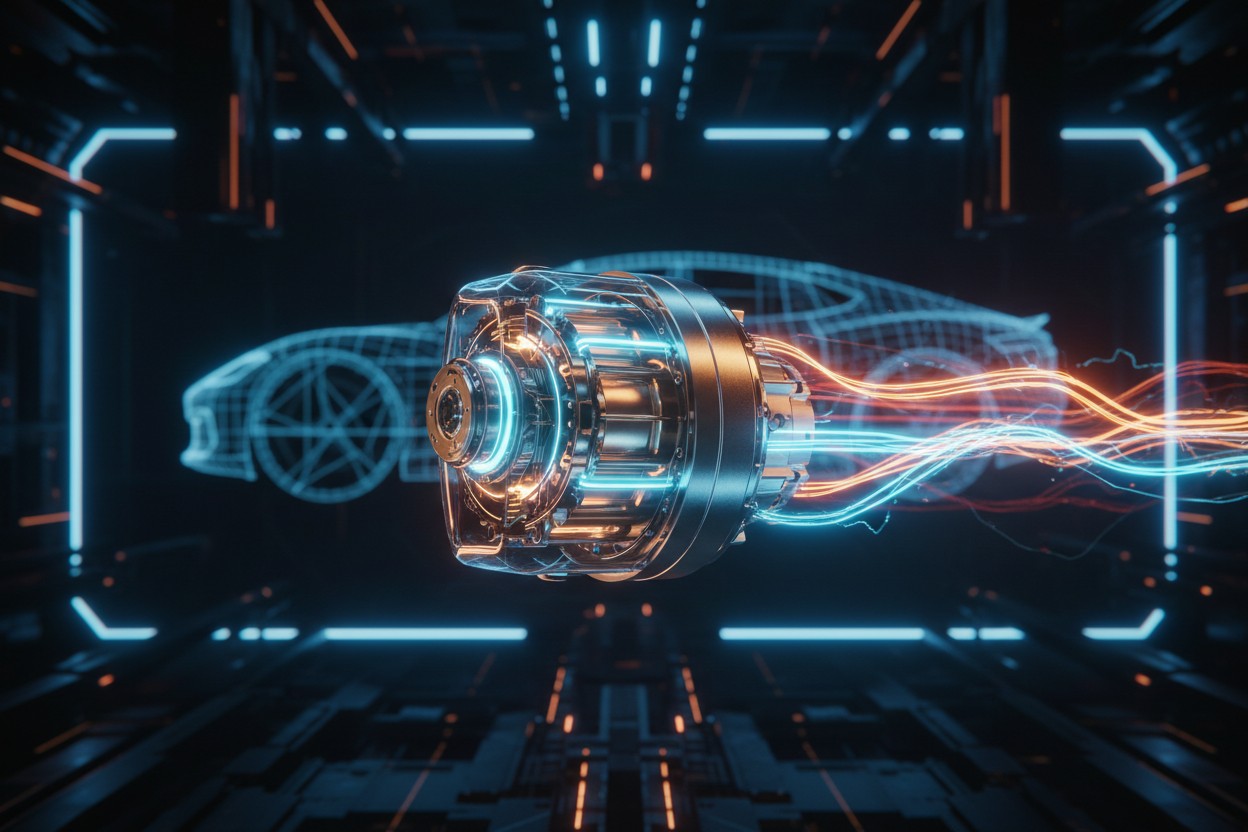
The physical cost of this empire is staggering. Every data center, every solar panel and every electric vehicle depends on silver. The book makes a crucial point: “Silver, not oil, is the real fuel for the electric future.”
Annual mine production of silver is roughly 25,000 tons, yet industrial demand already exceeds that number. The difference is being drawn from centuries of accumulated stocks, which are finite and shrinking. This creates what analysts call the “silver singularity” – a moment when demand overwhelms supply, and prices explode.
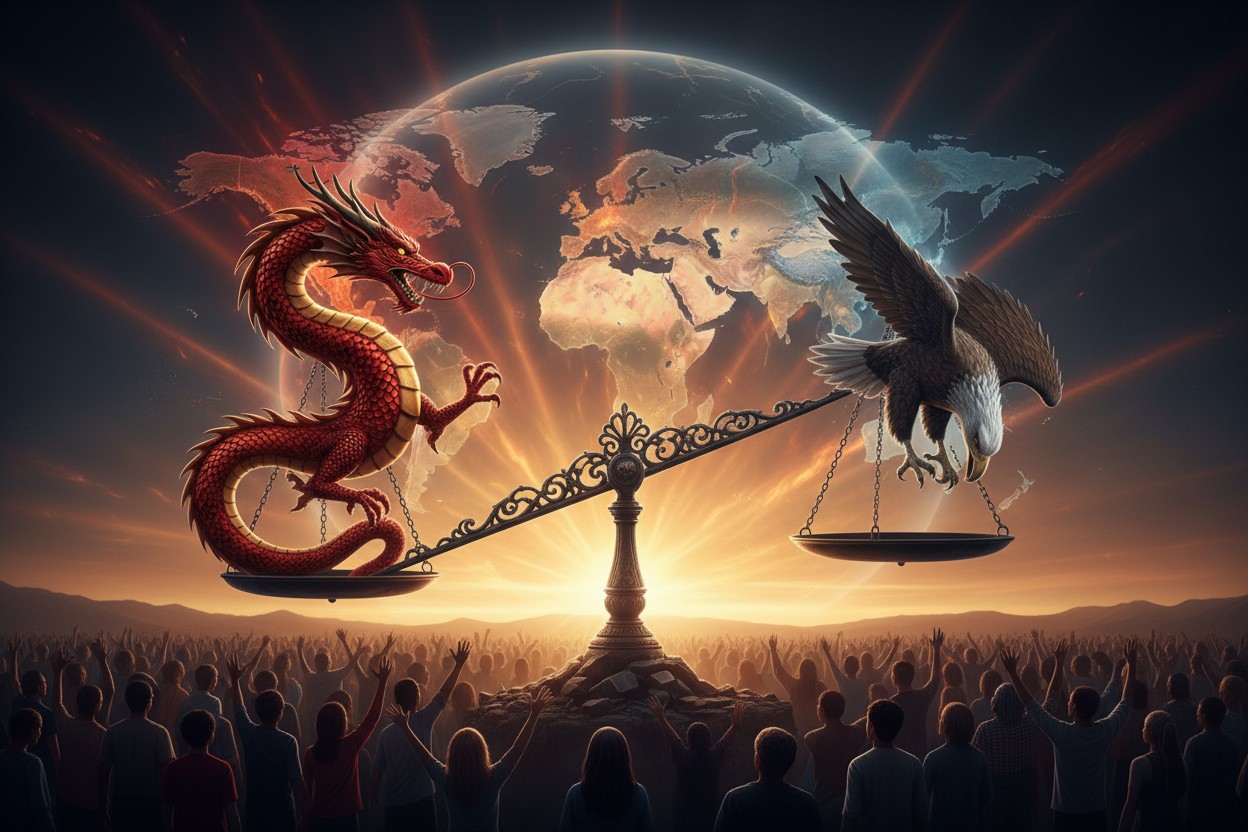
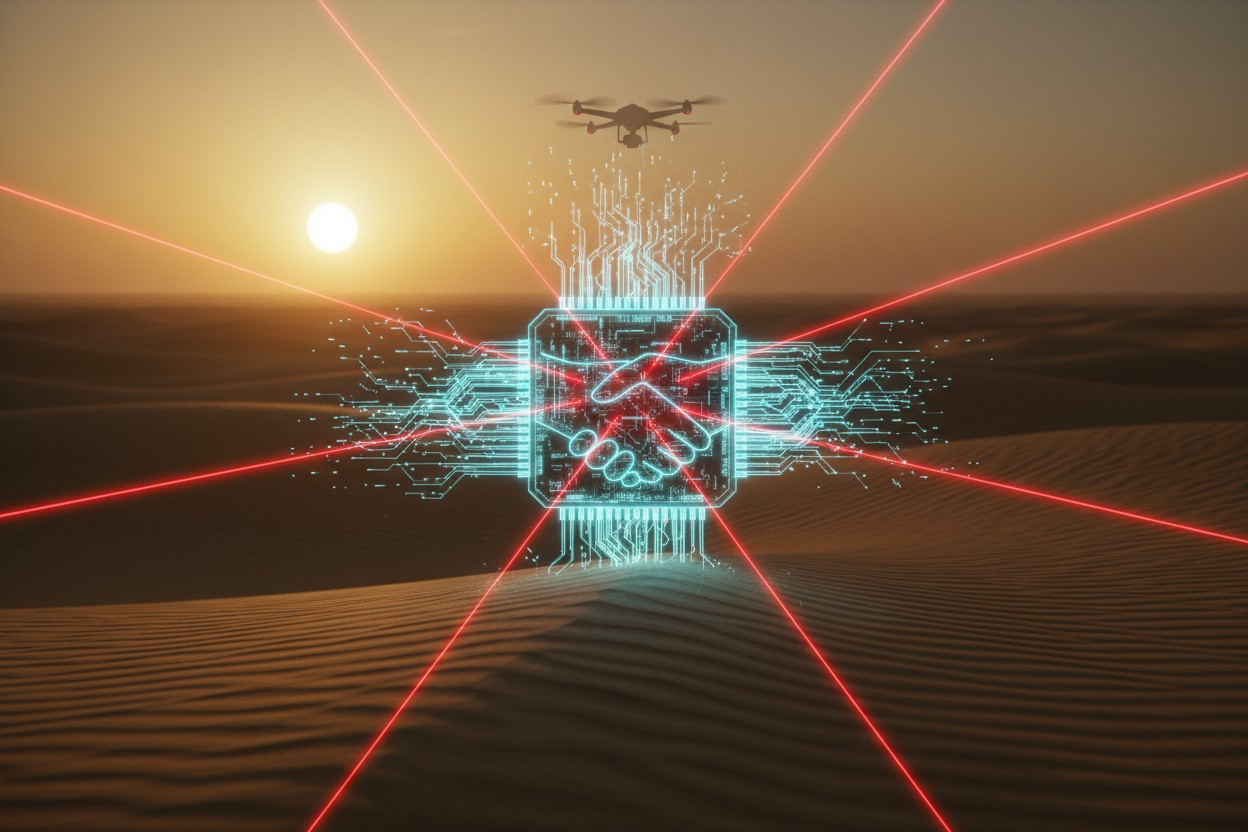
China has already surpassed the U.S. in AI patent filings and operates more of the world’s fastest supercomputers. The Chinese government can direct massive capital into AI projects overnight, and it has no privacy laws to slow it down.
Meanwhile, China controls most of the world’s rare earth processing and a significant share of global silver refining. This gives Beijing immense leverage in the coming resource wars.
The human cost of this acceleration is already visible. Over 6.5 million transportation jobs are directly in the crosshairs of self-driving technology. The book warns that “the robots are coming for the steering wheel,” and the timeline is frighteningly short.
Long-haul trucking could be 50% autonomous by 2026. The ripple effects will devastate entire communities built around truck stops, motels and diners that depend on human drivers.
Self-sufficiency as defiance
But here is where the message shifts from warning to hope. The solution is not to smash the machines but to break the centralization. Open-source AI represents the 21st-century printing press, putting immense computational power into ordinary people’s hands. As the book notes, “Just as Gutenberg broke the monopoly on books, open-source AI breaks the corporate monopoly on advanced intelligence.”
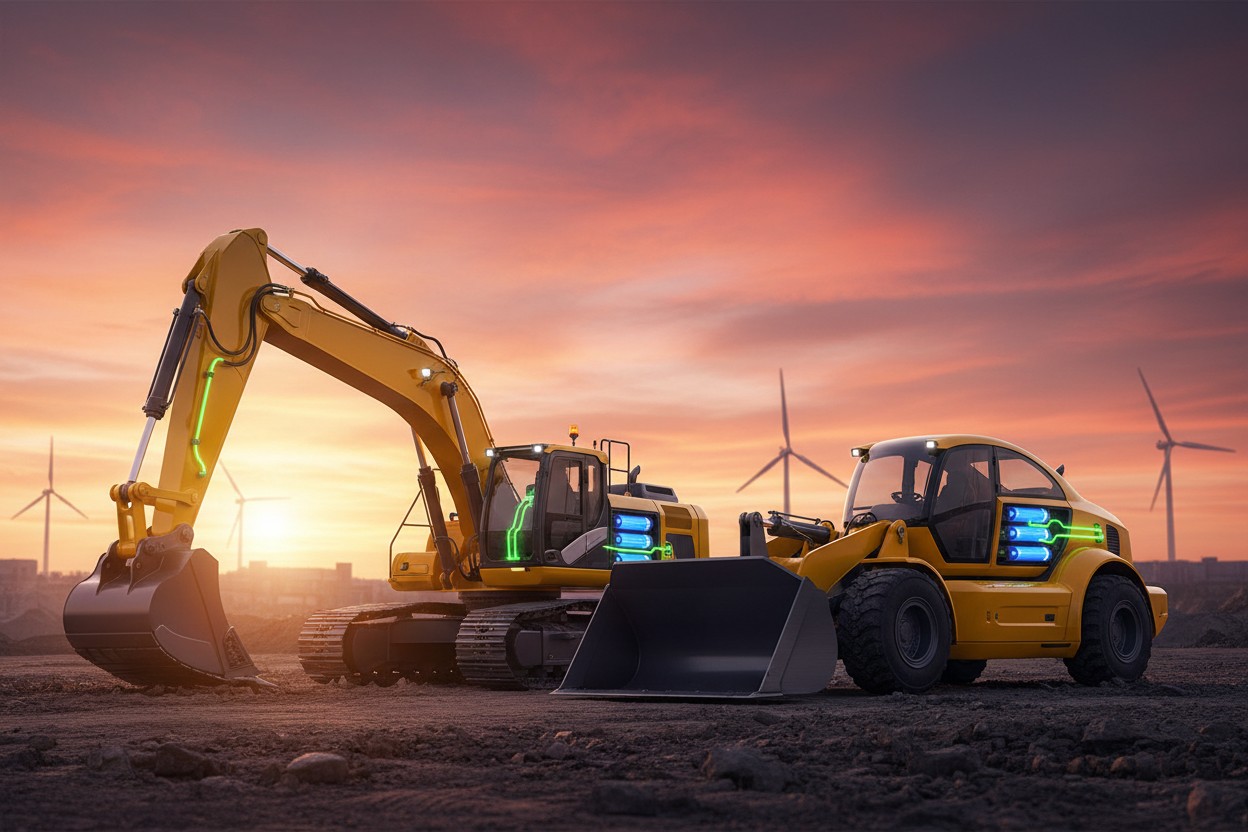
Practical resistance takes many forms. Sodium-ion batteries that last sixty years could power off-grid homes, making energy independence possible. Permaculture gardens, local currencies and silver coins offer escape from surveillance and control.
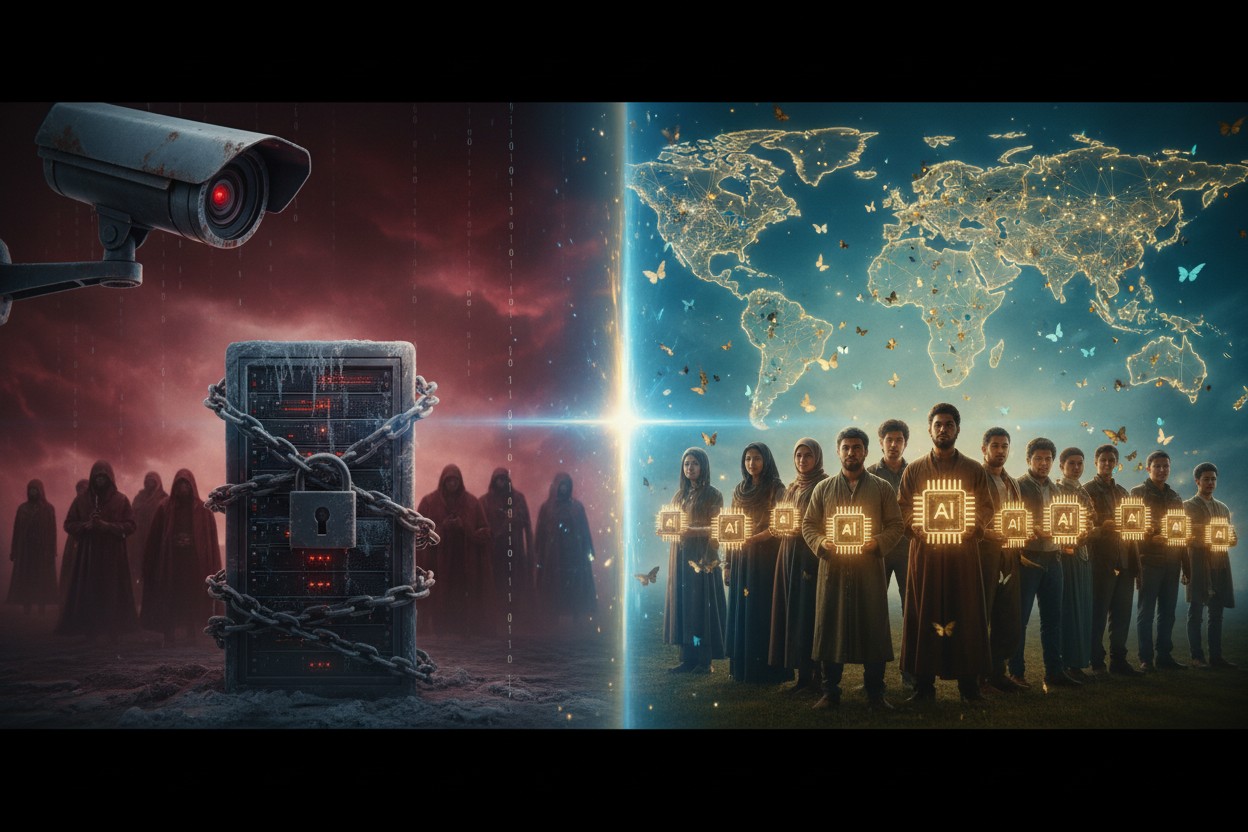
“Self-sufficiency isn’t just a lifestyle choice anymore; it is the ultimate act of defiance,” the book notes. The year 2026 marks a fracture point where two parallel worlds are emerging.
One path leads to “a world of personal ownership and local resilience,” where individuals hold the keys to their own AI tools, use cryptocurrencies for private transactions, and stack silver coins as honest money. The other leads to “surveillance-fueled dependence,” where mandatory digital IDs, central bank digital currencies and social credit scores determine every aspect of life.
The choice is not abstract. As the book concludes, “The decisions you make today determine which future actually arrives. Buying silver coins, learning self-sufficiency, using open-source AI and building community connections all tilt the balance” in favor of freedom.
The silver singularity is not about metal alone. It is about the moment when enough people realize that true wealth lies not in bank accounts – but in hands, land and liberty.
Grab a copy of “The Silver Singularity: AI Empire and the 2026 Fracture” via this link. Discover this book and other good reads at Books.BrightLearn.AI, with thousands of books and counting – all available to freely download, read and share. The decentralized BrightLearn.AI engine also lets readers create their own books, empowering them to share insights and truths with the world.
Watch the Health Ranger Mike Adams and the Silver Guru David Morgan discussing AI superintelligence, silver, battery technology and energy as currency in this edition of the “Health Ranger Report.”
This video is from the Health Ranger Report channel on Brighteon.com.
Sources include:
Submit a correction >>
Tagged Under:
artificial intelligence, Big Tech, bubble, computing, data centers, decentralization, future tech, Glitch, information technology, market crash, metals, open-source AI, Orwellian, Precious Metals, privacy watch, risk, robots, silver, silver singularity, surveillance, tech giants, The Silver Singularity: AI Empire and the 2026 Fracture
This article may contain statements that reflect the opinion of the author
RECENT NEWS & ARTICLES