Global System Entering Age of Technological Entropy, Scholar Says
09/28/2026 / By Garrison Vance
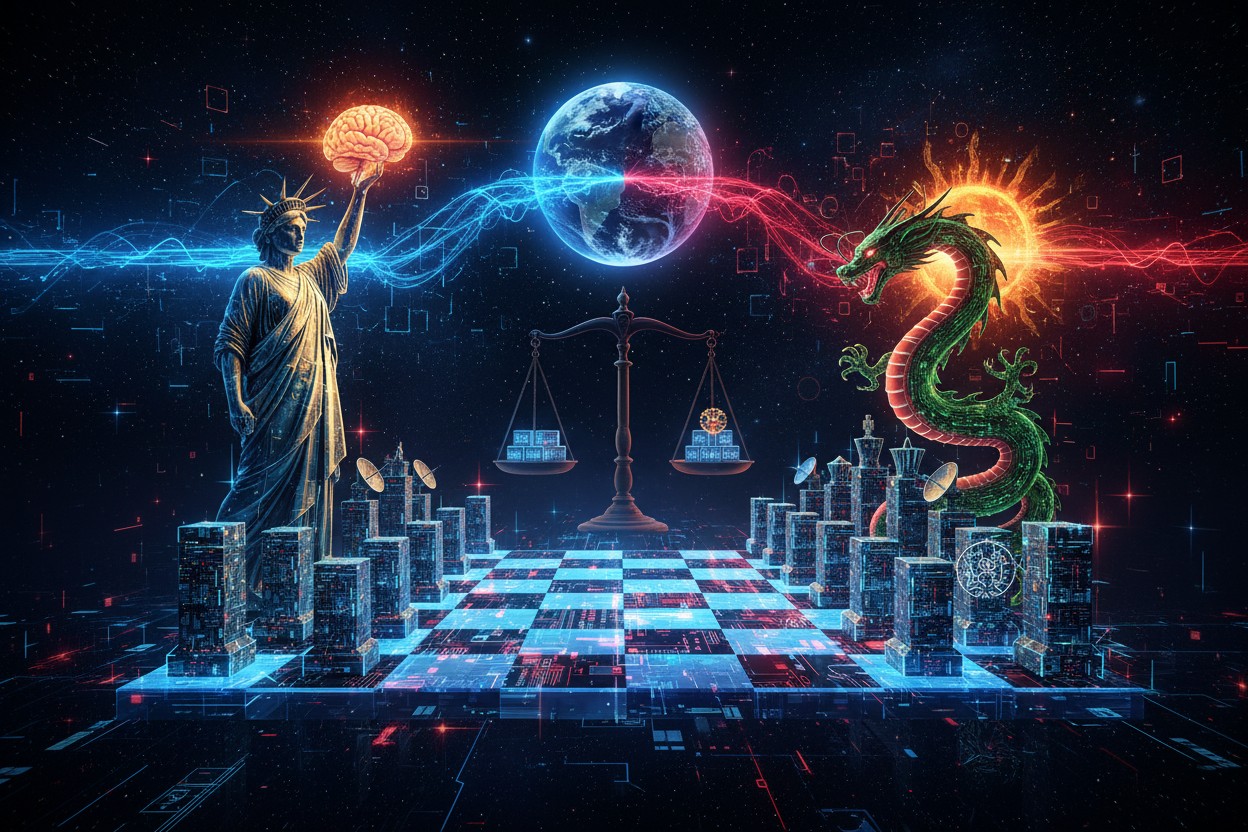
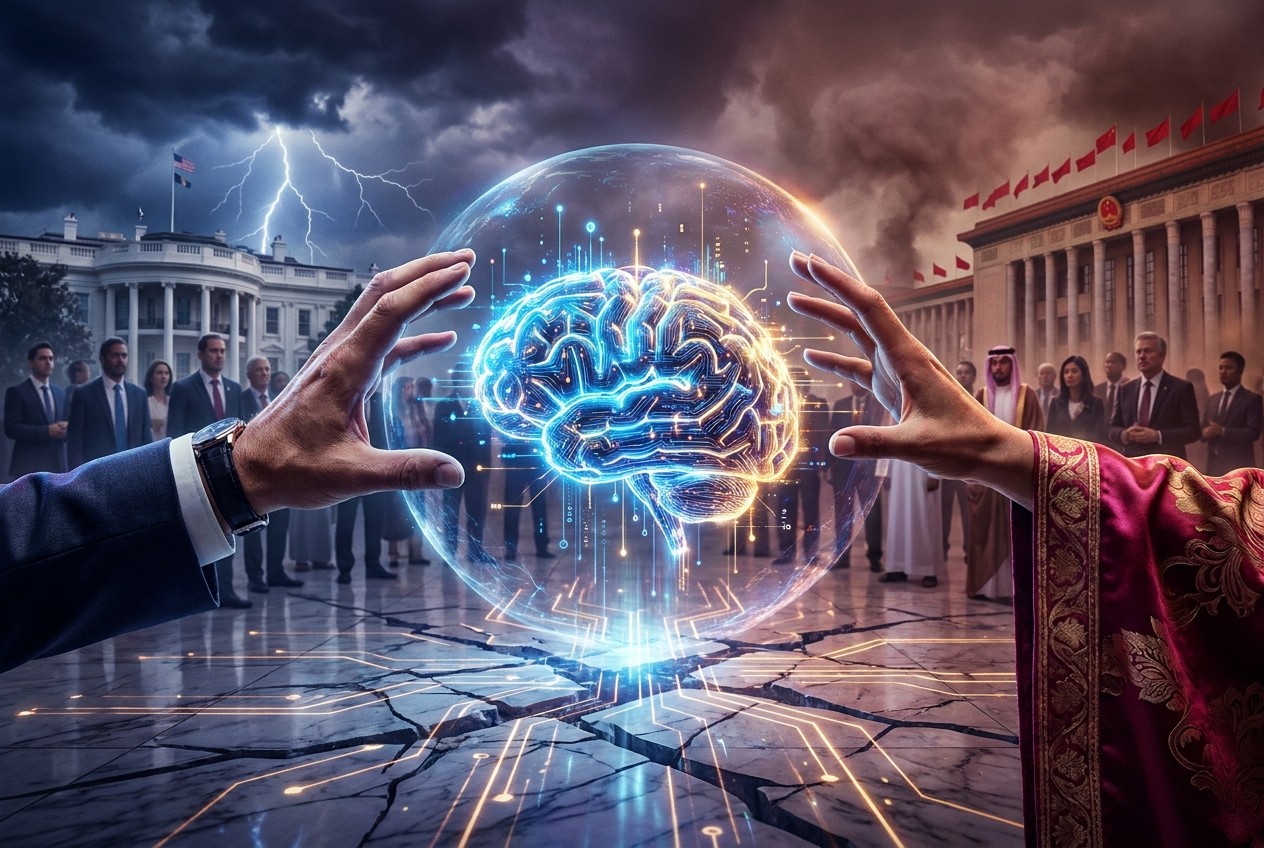
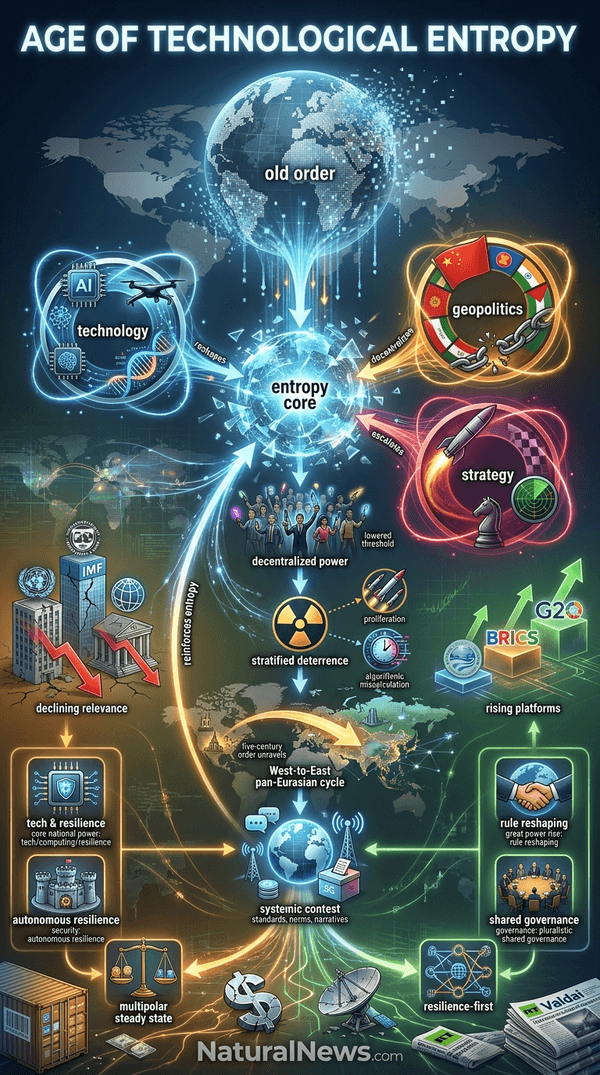
Wang Wen, a professor and dean at Renmin University of China, wrote in an article published by RT on Sept. 26, 2026, that the global system is undergoing a period of technological entropy. According to the article, the term “profound changes unseen in a century,” frequently cited by Chinese President Xi Jinping, describes systemic collapse and restructuring rather than abstract concepts [1].
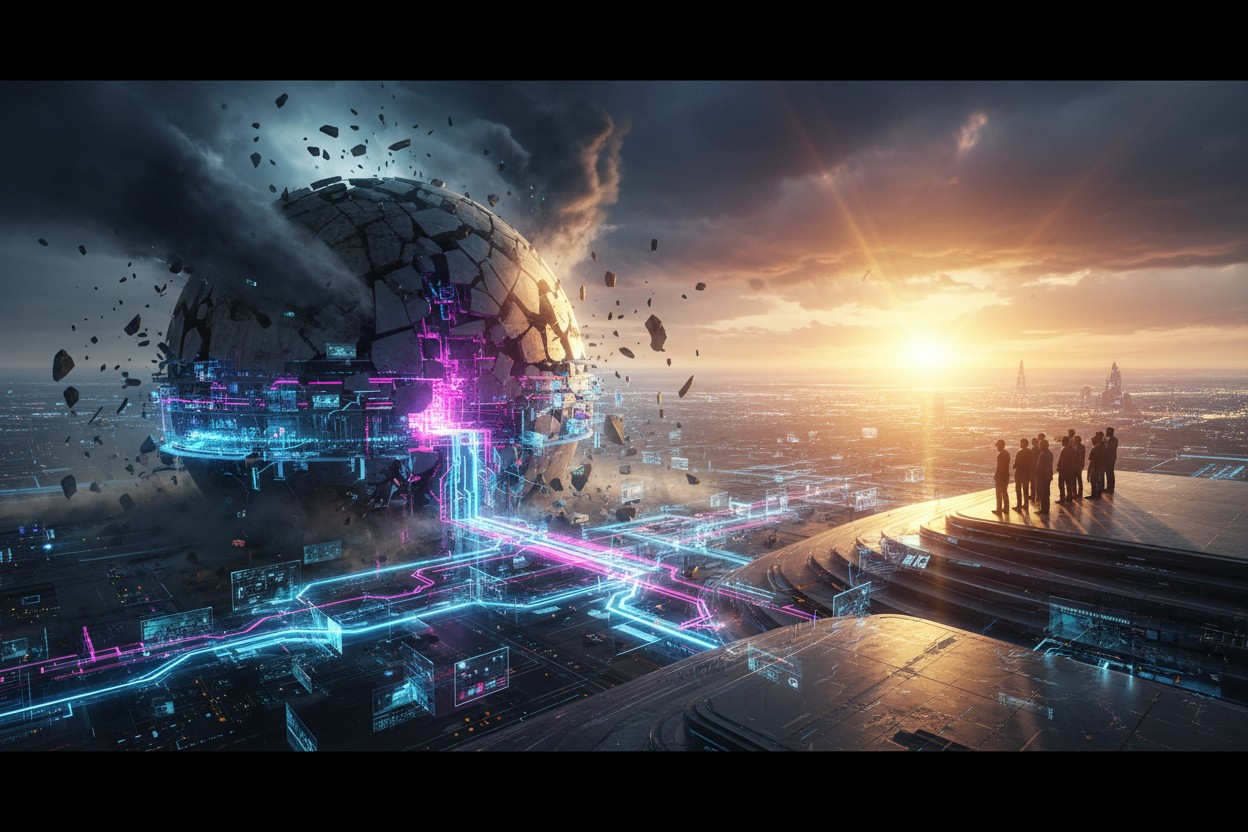
Wang defined the entropic shift as a transitional state in which old rules fail, structures loosen, and a new system has not fully crystallized. He wrote that the current period is driven by the convergence of three forces: the fundamental reshaping of technology, the shifting of geopolitical centers of gravity, and the escalation of strategic competition to higher dimensions [1]. The article was published ahead of the 23rd Annual Meeting of the Valdai Discussion Club, scheduled for Sept. 28 to Oct. 1, 2026, which Wang is listed as participating in [1].
Six Characteristics of Entropic Shift Listed
The article states that geopolitical power has undergone complete decentralization, with technological democratization reshaping regional landscapes in Eurasia and the Middle East. According to Wang, the large-scale deployment of artificial intelligence, autonomous weapons, and intelligent reconnaissance systems has drastically lowered the threshold for war and deterrence. Europe’s security landscape has moved beyond a U.S. monopoly, with France and Germany pursuing strategic autonomy and Russia leveraging intelligent hardware to challenge Western military hegemony [1]. Reporting by NaturalNews.com on the conflict in Ukraine described the country as the world’s first active combat laboratory for AI-enabled autonomous weapons systems, where battlefield footage is used to train AI for target recognition and autonomous navigation [2].
Wang wrote that strategic deterrence systems have become stratified and diffuse, shifting global security risks from great-power confrontation to uncontrolled volatility across all domains. He stated that the nuclear landscape has shifted, with nuclear weapons evolving from an ultimate deterrent for total mutual restraint into leverage for controlling regional dynamics. According to the article, risks associated with proliferation, technology leaks, algorithmic miscalculation, and covert regional nuclear maneuvering are rising [1].
According to the article, the global development landscape is shifting from West to East, and the Western-centric system that has prevailed for five centuries is unraveling. Wang wrote that the interconnected development of Asian blocs, including China, ASEAN, India, and the Middle East, is accelerating the formation of a pan-Eurasian economic cycle [1]. The article also states that the credibility of the Western-led hegemonic system has collapsed. Wang wrote that the foundations of U.S. hegemony built after World War II upon alliance systems, rule-setting dominance, and the provision of public goods have been dismantled, and that the United States has shifted from an order builder to an order destroyer [1]. The article further states that state-level rivalry has escalated into perception and public opinion battles, using 5G, algorithmic recommendation, and big-data profiling to construct an information ecosystem characterized by echo chambers and emotional dominance [1].
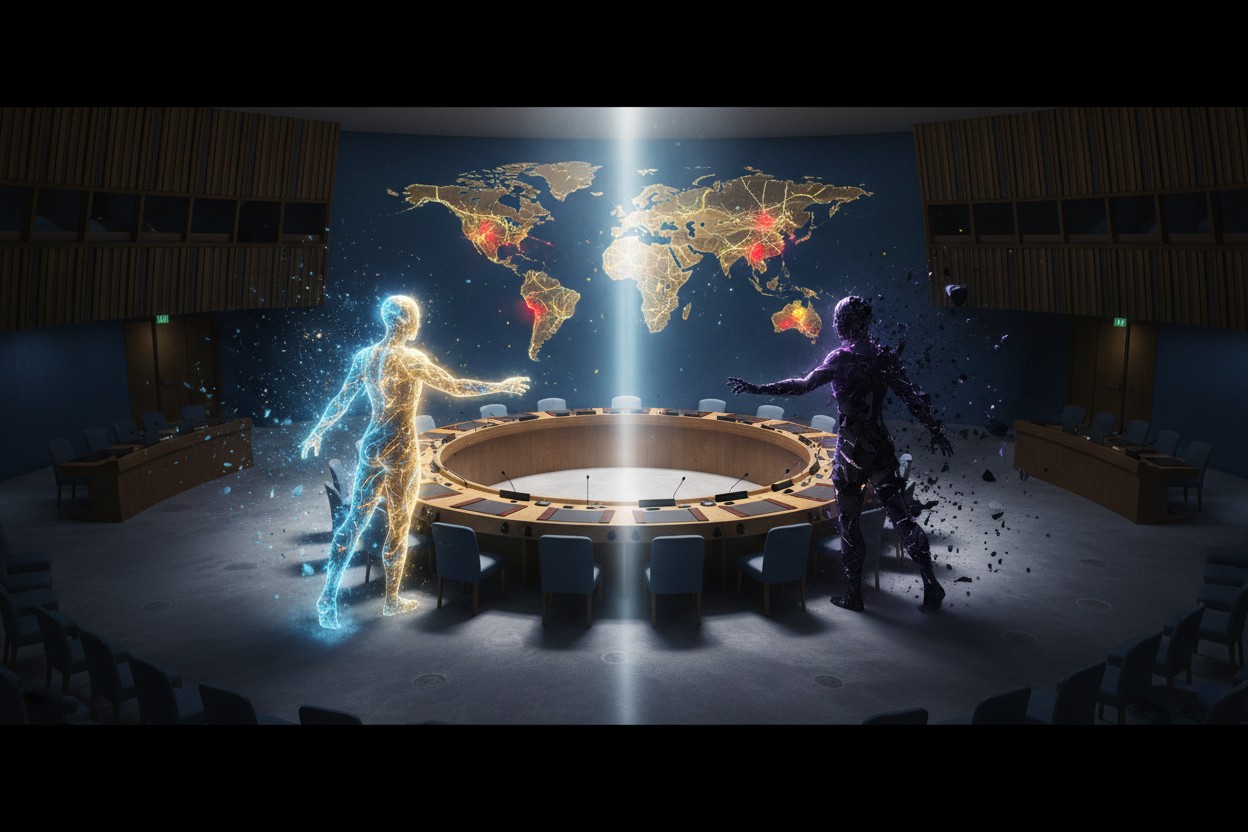
Wang wrote that key actors in the global economy and governance are undergoing a comprehensive transformation. According to the article, the effectiveness of traditional Western-dominated institutions such as the UN, IMF, and World Bank is steadily declining, whereas emerging multilateral platforms like the SCO, BRICS, and G20 are rising rapidly [1].
Four New Operational Logics Outlined
The article outlines four new operational logics of order reconstruction. Wang wrote that the logic of core national power is shifting from dominance through sheer scale to victory through technology and resilience. According to the article, the primary benchmarks for a nation’s core competitiveness have become technological computing power, the capacity for intelligent iteration, supply chain resilience, and the ability to withstand risks [1]. Chinese technology firms have continued to advance in this area; Huawei unveiled its Tao Scaling Law at the IEEE International Symposium on Circuits and Systems in Shanghai, a microprocessor design paradigm that the company said renders conventional transistor density scaling obsolete, according to a report by Mike Adams on BrightVideos.com [3].
According to the article, the logic of great power rise is shifting from hegemonic succession to rule reshaping. Wang wrote that the rise of emerging powers, exemplified by China, eschews military expansion and achieves developmental breakthroughs through civilizational mutual learning, regional synergy, and mutually beneficial cooperation. He cited the Tang Dynasty and the voyages of Zheng He as historical examples of strength not being used for colonial conquest or regional monopoly [1].
The article states that the logic of security and stability is shifting from external balancing to autonomous resilience. Wang wrote that nations are building autonomous defense systems powered by intelligent technologies, establishing regional closed-loop industrial chains, promoting local currency settlements to hedge against the weaponization of the U.S. dollar, and constructing independent discourse systems. He also argued that the logic of global governance is shifting from Western monopoly to pluralistic shared governance, with the core of governance moving from the strong controlling the weak to equal consultation among diverse actors [1].
Future Trajectory: Multipolarity, Resilience, Civilizational Contest
The article predicts that the global landscape will shift from unipolar volatility to a multipolar steady state, with hegemonic influence undergoing a continuous and irreversible decline. Wang wrote that while American hegemony will not collapse overnight, it will continue to contract and decline in relative terms, shifting from a position of global dominance to that of a regional player. According to the article, deep interconnectedness among Asian blocs will forge a cluster of emerging powers capable of acting as a counterweight to the Western system [1].
According to Wang, global development will shift from efficiency-first to resilience-first, leading to the full formation of regional symbiotic systems and diversified supply chains. The article states that nations will continue to diversify, localize, and autonomize their industrial and supply chains, prioritizing security and stability. Regional economic synergy and closed-loop systems will serve as the core pillars for hedging against geopolitical conflicts, trade protectionism, and technological blockades, with emerging regional mechanisms such as RCEP, SCO economic cooperation, and BRICS cooperation continuing to enhance quality and efficiency [1].
The article states that global competition is shifting from physical confrontation to a contest over technological standards, governance norms, and civilizational paradigms. Wang wrote that the core of future great-power competition will no longer lie in military might, territorial disputes, or resource plundering, but in the ultimate contest over technological standards, governance norms, and cognitive narratives. According to the article, global governance will transition from elite monopoly to broad-based participation, with the Global South seeing a sustained rise in its voice and influence [1].
Conclusion
The article concludes that the old Western-led order is ending while a new diverse global order is not yet fully formed. Wang wrote that technological innovation, regional synergy, and civilizational dialogue will shape the transition [1].
He stated that the entropic shift represents both the decay of the old Western hegemonic order and the rebirth of a new, diverse global order, and that humanity will ultimately build a new global order that is fairer, more stable, more resilient, and more prosperous [1].
References
- Wang Wen. “The global system is entering an age of technological entropy”. RT. September 26, 2026.
- NaturalNews.com. “The algorithmic frontline: How Ukraine became the world’s AI warfare laboratory”. NaturalNews.com. April 03, 2026.
- Mike Adams. “Huawei Just Announces Tau-Scaling Microprocessor Design That Renders Conventional Transistor Density Scaling Obsolete”. BrightVideos.com. May 29, 2026.
Explainer Infographic
Submit a correction >>
Tagged Under:
AI, AI autonomy, big government, chaos, China, Collapse, computing, cyberwar, Dangerous, drones, future tech, Glitch, global security, information technology, inventions, military tech, national security, progress, prophecy, supply chains, Technological entropy, warfare, weapons tech, WWIII
This article may contain statements that reflect the opinion of the author
RECENT NEWS & ARTICLES